MyForesight
  • ABOUT US
    • Vision & Mission
    • The Programs
    • Projects & Activities
  • FUTURE WATCH
  • INSIGHTS
    • EXPERTS
    • FROM THE DESK
    • INITIAL THOUGHT
    • IN PERSON WITH
    • LEADERS
  • MEDIA
    • ACTIVITIES
    • INFOGRAPHIC
    • MAGAZINES
    • PUBLICATIONS
      • KISAH Futures Anthology
      • Technology Values
      • SBSR Reports
      • NACP Reports
      • MIGHT Horizon Scanning – Signals that Matter
    • BOOK CLUB
MyForesight
MyForesight
  • ABOUT US
    • Vision & Mission
    • The Programs
    • Projects & Activities
  • FUTURE WATCH
  • INSIGHTS
    • EXPERTS
    • FROM THE DESK
    • INITIAL THOUGHT
    • IN PERSON WITH
    • LEADERS
  • MEDIA
    • ACTIVITIES
    • INFOGRAPHIC
    • MAGAZINES
    • PUBLICATIONS
      • KISAH Futures Anthology
      • Technology Values
      • SBSR Reports
      • NACP Reports
      • MIGHT Horizon Scanning – Signals that Matter
    • BOOK CLUB
  • Book Club

The Black Swan : The Impact Of The Highly Improbable

  • January 24, 2014

ISBN 10: 0141034599
ISBN 13: 9780141034591

Author : Nassim Nicholas
Publisher: Penguin Books Ltd.

Nassim Nicholas Taleb refers to the book variously as an essay or a narrative with one single idea: “our blindness with respect to randomness, particularly large deviations.” It is Taleb’s questioning of why this occurs and his explanations of it that drive the book forward. The book’s layout follows “a simple logic”moving from literary subjects in the beginning to scientific and mathematical subjects in the later portions.

Part One and the beginning of Part Two delve into Psychology. Taleb addresses science and business in the latter half of Part Two and Part Three. Part Four contains advice on how to approach the world in the face of uncertainty and still enjoy life. Taleb acknowledges a contradiction in the book. He uses an exact metaphor, Black Swan Idea to argue against the “unknown, the abstract, and imprecise uncertain–white ravens, pink elephants, or evaporating denizens of a remote planet orbiting Tau Ceti.” There is a contradiction; this book is a story, and more people prefer to use stories and vignettes to illustrate our gullibility about stories and our preference for the dangerous compression of narratives….

You need a story to displace a story. Metaphors and stories are far more potent (alas) than ideas; they are also easier to remember and more fun to read.
Previous Article
  • Book Club

The Extreme Future : The Top Trends That Will Reshape The World In The Next 20 Years

  • January 24, 2014
Read More
Next Article
  • Book Club

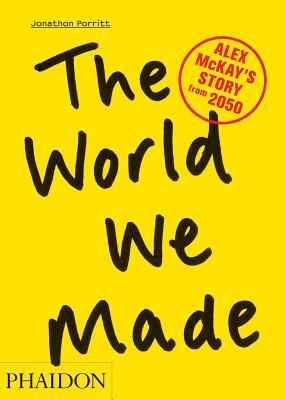
The World We Made : Alex McKay’s Story From 2050

  • January 24, 2014
Read More
You May Also Like
Read More
  • Book Club
  • Media

The Singularity Is Nearer: When We Merge with AI 

  • admin
  • July 25, 2025
Read More
  • Book Club
  • Media

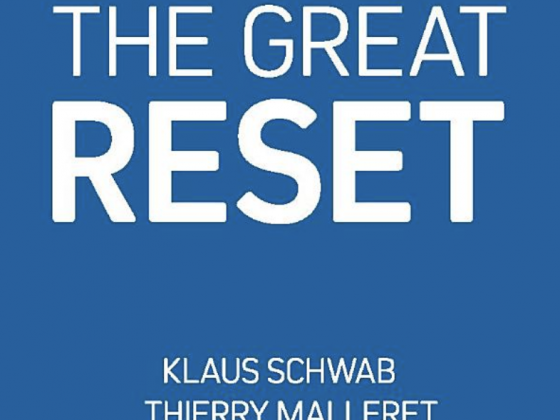
COVID19: The Great Reset

  • amira
  • October 10, 2020
Read More
  • Book Club
  • Media

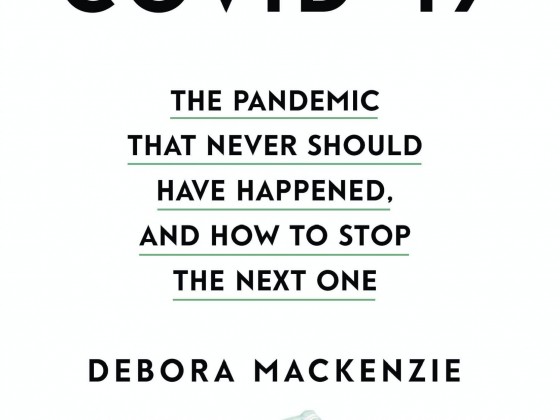
COVID19: The Pandemic that Never Should Have Happened and How to Stop the Next One

  • amira
  • October 10, 2020
Read More
  • Book Club
  • Media

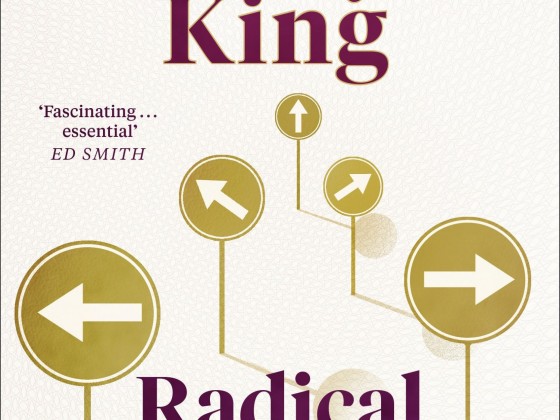
Radical Uncertainty: Decision-making for an Unknowable Future

  • amira
  • July 10, 2020
Read More
  • Book Club
  • Media

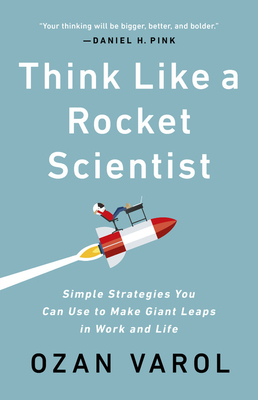
Think Like a Rocket Scientist: Simple Strategies You Can Use to Make Giant Leaps in Work and Life

  • amira
  • July 10, 2020
Read More
  • Book Club
  • Media

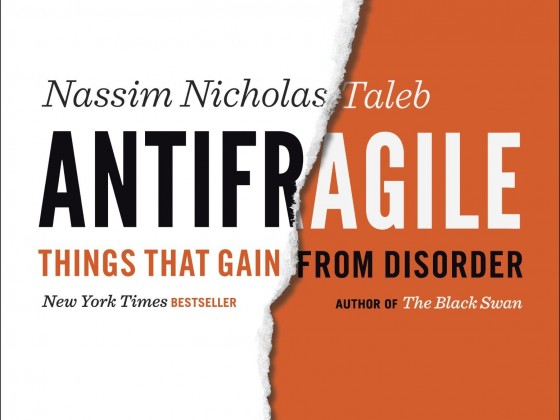
Antifragile: Things That Gain from Disorder (Incerto)

  • amira
  • March 13, 2020
Read More
  • Book Club
  • Media

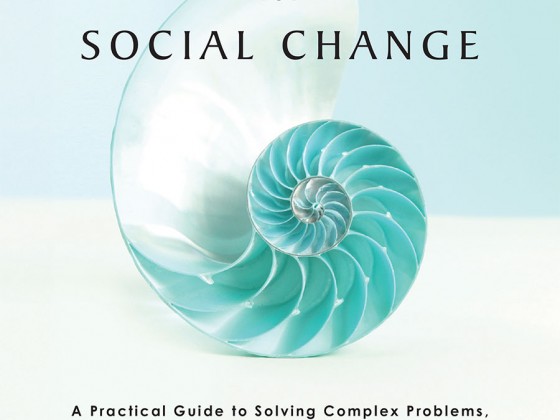
Systems Thinking For Social Change: A Practical Guide to Solving Complex Problems, Avoiding Unintended Consequences, and Achieving Lasting Results

  • amira
  • March 13, 2020
Read More
  • Book Club
  • Media

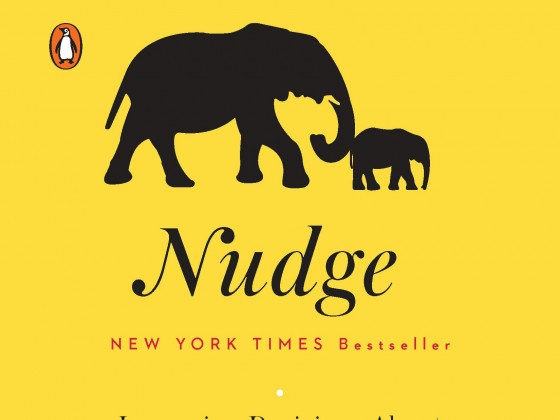
Nudge: Improving Decisions About Health, Wealth, and Happiness

  • amira
  • November 4, 2019
Malaysian Industry-Government Group for High Technology (320059-P)
  • ABOUT US
  • FUTURE WATCH
  • INSIGHTS
  • MEDIA
Jalan IMPACT, 63000 Cyberjaya, Selangor Darul Ehsan

Input your search keywords and press Enter.