by | Mohd Hasan Mohd Saaid & Nur Amira Muhammad
hasan@might.org.my, amira@might.org.my
As the sports industry constantly evolves, it becomes crucial to adapt to emerging trends brought about by the rapid advancement of technology, shifting demographics and evolving consumer preferences. It is essential for various stakeholders, including clubs, federations, media outlets, equipment manufacturers, textile companies, sport services providers and betting firms to stay informed about the 11 significant trends currently shaping the world of sports. Being aware of these trends and responding to them promptly can enable stakeholders to stay competitive and relevant in this dynamic and ever-changing landscape.
TREND 1:
Esports Rising in Popularity
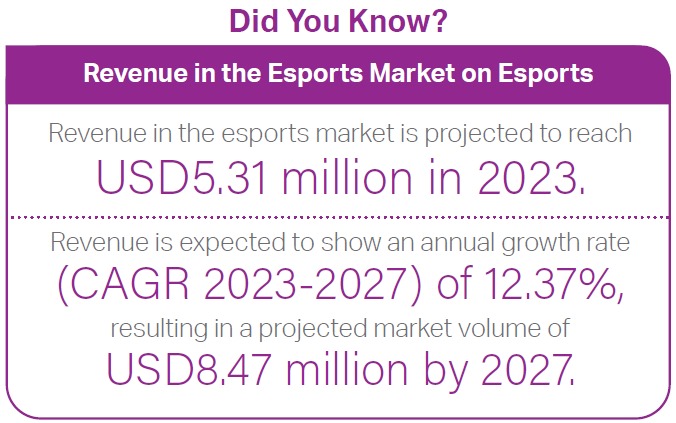
Esports has experienced a significant surge in popularity, becoming increasingly mainstream in recent years. This can be attributed to several factors. Advancements in technology and widespread access to high-speed internet, have made it easier for players to connect and compete online, opening the doors for millions of players to engage in competitive gaming and creating a global community of esports enthusiasts. The increasing accessibility of gaming technology, the rise of streaming platforms and the support from major companies have propelled esports from a niche hobby to a mainstream phenomenon with a passionate fanbase.
TREND 2:
Artificial Intelligence (AI) will be prevalent
Artificial Intelligence (AI) is significantly impacting the sports world and its influence is expected to expand further in the future. AI is utilised in various ways in sports:
- Performance analysis: AI analyses data from sensors, cameras and wearables to provide insights into player performance, aiding in training and strategy improvement.
- Injury prevention and player health: AI systems monitor physiological data to identify injury risks, optimise training and suggest recovery periods.
- Enhanced fan experience: AI technologies like computer vision and natural language processing personalise experiences, while VR, AR, chatbots and voice assistants engage fans and provide real-time updates.
- Referee assistance: AI assists referees in making accurate decisions by analysing video footage for rule violations.
- Sports analytics and scouting: AI algorithms analyse data to identify patterns, predict outcomes and provide insights for scouting and making strategic decisions.
- Automated sports production: AI automates aspects of sports production, such as camera selection and video editing, to streamline content delivery.
Future advancements may include advanced predictive analytics, real-time decision support for coaches, AI powered training partners, improved virtual reality experiences, AI-powered sports equipment and enhanced fan engagement.
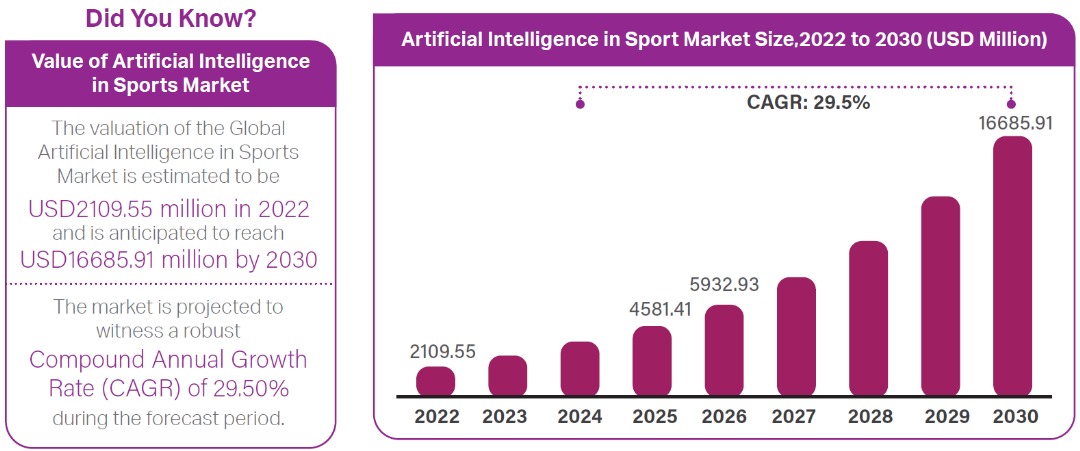
The valuation of the Global Artificial Intelligence in Sports Market is estimated to be USD2109.55 million in 2022 and is anticipated to reach USD16685.91 million by 2030. The market is projected to witness a robust Compound Annual Growth Rate (CAGR) of 29.50% during the forecast period.
TREND 3:
Fans are Taking Content on the Go
Fans taking content on the go in the sports world means that sports enthusiasts can access and enjoy sports-related content anywhere they want. With the rise of smartphones and tablets, fans are no longer limited to watching games on TV or attending live events. They can now use mobile apps and websites to access live streams, highlights and updates of ongoing games. They receive notifications and alerts about scores, player statistics and breaking news, keeping them informed at all times. Social media platforms also enable fans to engage in discussions, share opinions and connect with fellow sports enthusiasts in real-time. This trend offers convenience, flexibility and the ability to stay connected and engaged with their favourite sports.
TREND 4:
The Game-Changing Generation
The Game-Changing Generation in the sports world refers to individuals who are revolutionising the industry through technology integration, fan engagement, social impact and innovation. They leverage advanced analytics, virtual reality and wearables to enhance player performance and fan experiences. This generation promotes sustainability, embraces esports and explores new sports formats. In the future, they will further utilise AI, enhance fan experiences, prioritise sustainability, integrate emerging technologies and foster global collaboration. Overall, they are transforming sports through their innovative mindset and technological advancements.
TREND 5:
Inclusive Sports Culture
The future of sports will be more inclusive and diverse, with increased accessibility for people of all abilities, backgrounds and gender identities. Adaptive sports will gain more recognition and mainstream acceptance.
- The push for gender equality will lead to more mixed-gender competitions, with men and women competing together in team sports and individual events.
- Sports culture emphasises celebrating the achievements and contributions of athletes from diverse backgrounds. This trend involves highlighting the stories and successes of athletes from under-represented groups, promoting positive role models and showcasing the richness of diversity within the sporting community.
- Inclusive sports culture promotes accessibility for individuals with disabilities.
TREND 6:
Data-driven Performance
The use of data analytics will transform sports, from player scouting to strategy development. Advanced metrics will enable coaches and athletes to make more informed decisions and optimise performance.
- The gamification of fitness and sports will lead to innovative training methods and more engaging experiences.
- Fitness apps will continue to grow in popularity, with increased personalisation and social elements.
- As wearable devices become more advanced and integrated into everyday life, expect them to have significant impacts on sports. Performance monitoring, injury prevention and personalised training programmes will become a norm.
- Virtual and augmented reality (VR/AR) technologies will become integral to sports, enhancing training, gameplay and spectator experiences
TREND 7:
Emerging Ethical Issue in High Performance Sports Science
Advances in technology, such as genetic testing, gene editing and neuroenhancement, present ethical challenges in high-performance sports science.
- Genetic testing raises concerns related to privacy, discrimination and the potential for creating genetically modified athletes. In 2003, the World Anti-Doping Agency implemented a ban on ‘gene doping,’ which refers to the unauthorised utilisation of genes, genetic elements or cells with the potential to improve athletic performance.
- The use of technologies to gain unfair advantages, the potential health risks associated with certain enhancements and the impact on fair competition are significant considerations
- Collecting and analysing athletes’ personal and biometric data can have implications for privacy, consent and potential misuse of sensitive information.
- Ensuring integrity in sports and combating corruption, such as match-fixing, doping cover-ups and bribery, remains a significant ethical issue.
- Athletes using their platform for social and political activism raises ethical considerations.
TREND 8:
Mindfulness and Mental Health
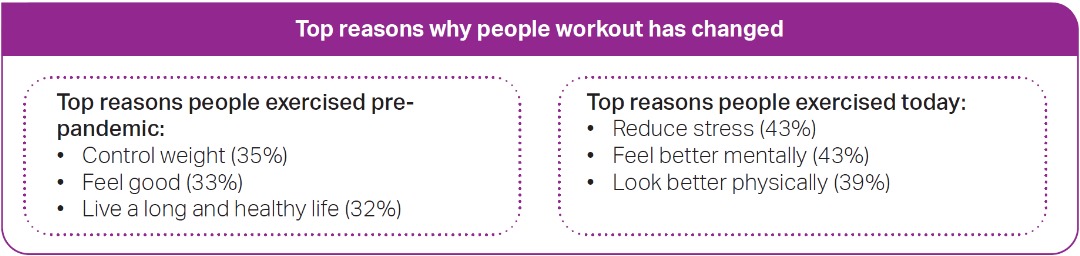
As mental health continues to be prioritised in sports, we can expect to see greater integration of mindfulness, meditation and psychological support into training programmes and support systems. Athletes will have access to resources and professionals who specialise in mental health, empowering them to manage their mental well-being effectively. Mental health plays a crucial role in an athlete’s performance. Physical training alone is not sufficient to excel in sports. By prioritising mental health, athletes can improve their focus, concentration and decision-making abilities. ‘Recovery services’ like massages, cryotherapy, ice baths and sauna sessions are growing trends as reported in 2022 Wellness Index.
TREND 9:
Rehabilitation in Sports – pre, during and post-event
Rehabilitation in sports is a critical aspect of athlete care, helping injured athletes recover, regain their physical abilities and return to their sport safely. Over time, various trends have emerged in the field of rehabilitation, driven by advancements in technology, research and a deeper understanding of the rehabilitation process. Rehabilitation professionals now rely on comprehensive assessments, diagnostic tools and research-based interventions to design targeted treatment plans. Technology has had a significant impact on rehabilitation in sport. Advancements in equipment, software and wearable devices have provided new tools to enhance the rehabilitation process. For instance, virtual reality (VR) and augmented reality (AR) are being used to simulate real-life sport-specific scenarios and facilitate motor skill relearning. Wearable sensors and motion analysis systems help monitor movement patterns, track progress and provide immediate feedback to both athletes and rehabilitation professionals.
TREND 10:
Green Sports Movement
The sports industry will emphasize sustainability, with eco-friendly initiatives in stadium construction, event management and athletic gear production. This trend will also influence athletes to become environmental advocates.
- Sports organisations are committing to reduce their carbon footprint and work towards carbon neutrality. This involves implementing measures to reduce greenhouse gas emissions from operations, transportation and energy consumption.
- Efforts to minimise waste generation and promote recycling are gaining traction in the sports industry. Adopting sustainable procurement practices for food and beverage services, including sourcing local and organic products, is also part of waste reduction efforts. Bergzeit, Sneaker Rescue, Yonderland and SOEX are companies that are dedicated to sustainability. Their focus goes beyond simply closing the loop; instead, they strive to transform the loop, broaden its scope and prolong the lifespan of products.
- Sports organisations are actively promoting sustainability initiatives to athletes, fans and the wider public through campaigns, events and partnerships.
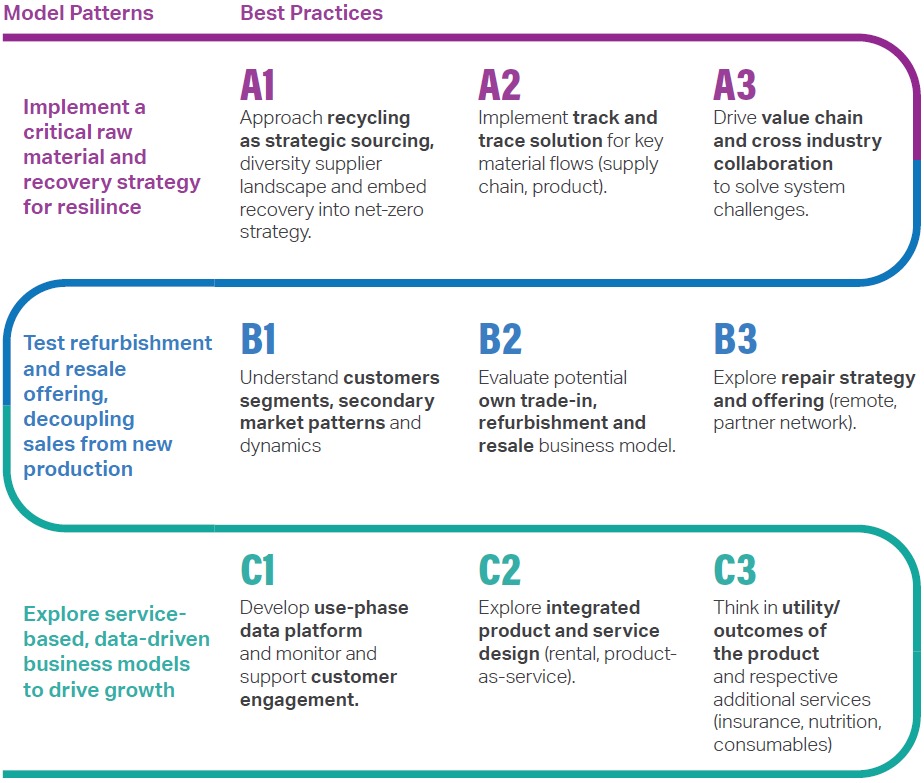
Felix Philipp and Manuel Braun identify three main patterns and the best practices as follows: